Understanding Network Devices

When you use the internet at home or in an office, it feels like a single connection, but in reality, several networking devices work together to make that connection possible. Each device has a specific role, and understanding these roles helps software engineers and learners see how real-world systems operate beyond just code.
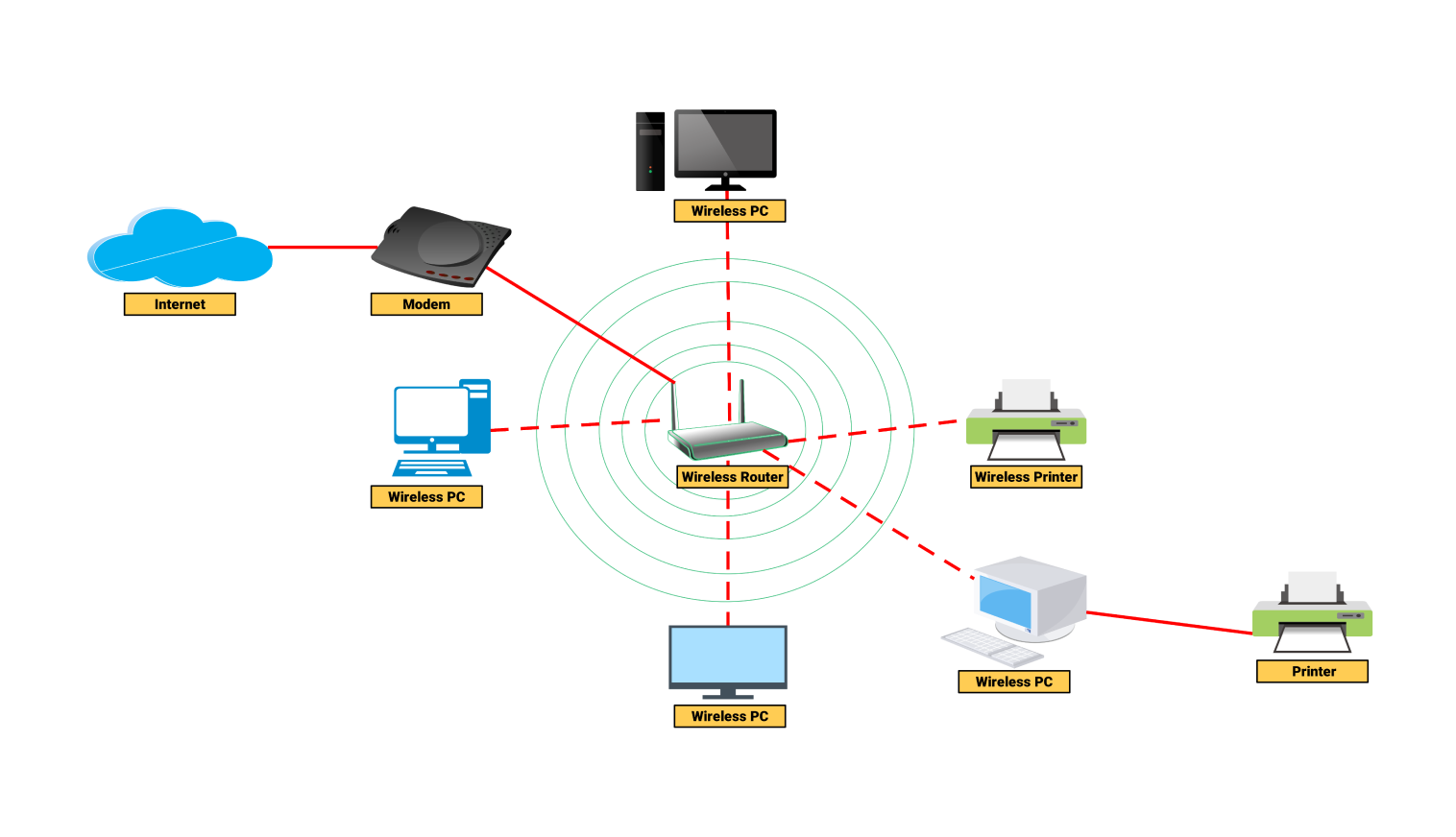
A High-Level View of How the Internet Reaches a Home or Office
The internet does not directly connect to your laptop or phone. Instead, it enters your home or office through a series of devices that guide, protect, and distribute the data. Internet data first comes from your service provider, passes through a modem, then moves to a router. From there, it reaches switches that connect individual devices. In larger setups like offices or data centers, firewalls and load balancers are also involved to add security and scalability. Each step ensures that data reaches the right place safely and efficiently.
What is a Modem and How It Connects You to the Internet
A modem is the device that creates the actual connection between your local network and the internet. Internet service providers send data using signals that are different from what your home network understands. The modem translates these signals into digital data that your router and devices can use, and it also converts outgoing data back into a format the ISP understands. Without a modem, your network would be completely cut off from the internet, even if you have a router and devices connected.
What is a Router and How It Directs Traffic
A router sits between your local network and the wider internet and decides where data should go. When multiple devices are connected, the router ensures that requests from each device reach the correct destination and that responses come back to the right device. It acts like a traffic controller, managing incoming and outgoing data and keeping everything organized. Routers also create a local network by assigning IP addresses to devices so they can communicate with each other.
Switch vs Hub: How Local Networks Actually Work
Inside a local network, devices need a way to communicate with one another. Older networks used hubs, which simply broadcast incoming data to every connected device. This approach was inefficient and insecure because all devices received all data. Modern networks use switches instead. A switch understands which device should receive specific data and sends it only to that device. This makes communication faster, more efficient, and more secure. As a result, hubs are mostly obsolete, while switches are standard in homes, offices, and data centers.

What is a Firewall and Why Security Lives Here
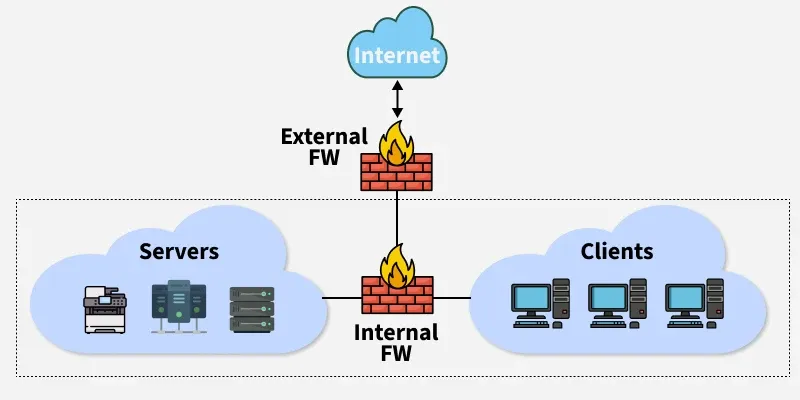
A firewall is responsible for protecting a network from unwanted or dangerous traffic. It sits between trusted internal systems and untrusted external networks, such as the internet. The firewall examines incoming and outgoing data and applies rules to decide what is allowed and what should be blocked. This is where security policies are enforced, making firewalls a critical part of protecting servers, databases, and applications from attacks or misuse.
What is a Load Balancer and Why Scalable Systems Need It
In systems that serve many users, a single server cannot handle all requests efficiently. A load balancer solves this problem by distributing incoming traffic across multiple servers. It ensures that no single server becomes overloaded and that users receive faster and more reliable responses. Load balancers are essential in backend systems, cloud environments, and large-scale applications where performance and availability matter.
How All These Devices Work Together in the Real World
In a real-world setup, all these devices operate together as a single system. Data from the internet enters through the modem, which connects the network to the service provider. The router then directs this data to the correct destination within the network. Switches handle communication between local devices efficiently. Firewalls inspect traffic to ensure it is safe, and load balancers distribute requests across multiple servers when needed. Each device performs a specific role, and removing any one of them would affect performance, security, or scalability.
Why This Matters for Software Engineers
Even though software engineers spend most of their time writing code, these networking concepts directly affect how applications behave in production. Network routing can influence latency, firewalls can block or allow application traffic, and load balancers determine how backend services scale. Understanding these devices helps engineers debug issues, design better systems, and communicate effectively with infrastructure and DevOps teams.
Final Thoughts
Networking devices may seem like physical hardware concerns, but they play a major role in how software systems run in the real world. When you understand how modems, routers, switches, firewalls, and load balancers work together, the internet feels less like magic and more like a carefully engineered system. This knowledge helps bridge the gap between building applications and running them reliably at scale.